


 |
VIEW ALL
-
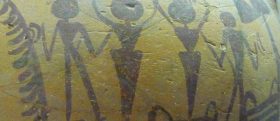
The Earliest Music in Ancient Egypt
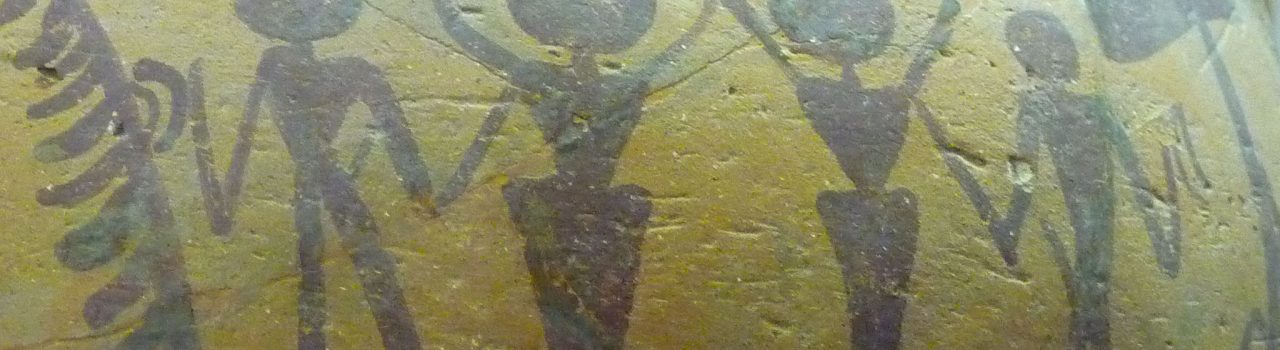
January 16Music is a human universal. But the beginnings of Egyptian music are much earlier […]
Posted In: Ancient Near East Today, ASOR -

Early Jewish Magic
January 9Judaism has a rich tradition of magic going back over two thousand years […]
Posted In: Ancient Near East Today, ASOR -
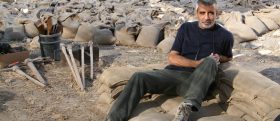
A Proper Answer: Reflections on Archaeology, Archaeologists and Biblical Historiography
January 2Noted Israeli archaeologist Israel Finkelstein looks back on almost 50 years in the field […]
Posted In: Ancient Near East Today, ASOR -
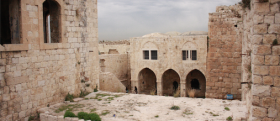
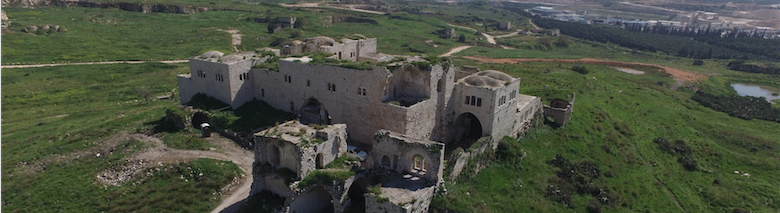
A Magnificent Manor: Majdal Yābā - A Fortified Ottoman and British Mandate Period Manor House in Central Israel
December 27In the hills to the east of modern Tel Aviv is a site occupied from the Iron Age until 1948 […]
Posted In: Ancient Near East Today, ASOR
VIEW ALL
-
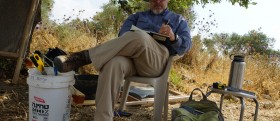
What’s in Your Dig Bag, James R. Strange?
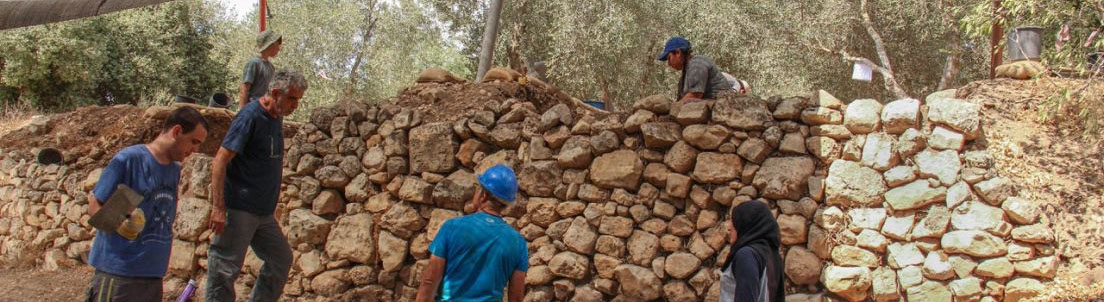
July 14I use my daughter’s old green Jansport backpack from high school. Every year I think I’ll buy a new one, but they’re expensive, this one works just fine, and it has sentimental value. In our “What’s in your dig bag?” series, we asked working field archaeologists […]
Posted In: ASOR, What's In Your Dig Bag -

What’s in your dig bag, Morag Kersel?
June 22Even though I’ve been vigilant about sunscreen, water, and hats for decades this winter I had a tumor removed from my nose – the result of 20+ years of sun exposure. I never want another needle in my nose and I now have a Beko gear nose guard […]
Posted In: ASOR, What's In Your Dig Bag -
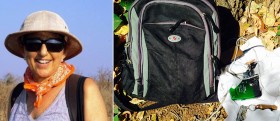
What’s in your dig bag, Norma Franklin?
June 15I don’t carry a trowel on purpose. If I did it would be a Marshalltown. The reason I don’t have one in my hand Is because I would be tempted to jump in and so deprive a hard working team member of the fun of revealing an exciting find […]
-
What’s in your dig bag, Samantha Lindgren?
May 26In our “What’s in your dig bag?” series, we asked working field archaeologists what they carry with them out in the field. We wanted to know what gear they love and what items might be unique to them. I wear a loose cloth hat with a brim[…]
Posted In: ASOR, What's In Your Dig Bag